Understanding Indian Spices: From Mild to Fiery


The Rich Heritage of Indian Spices
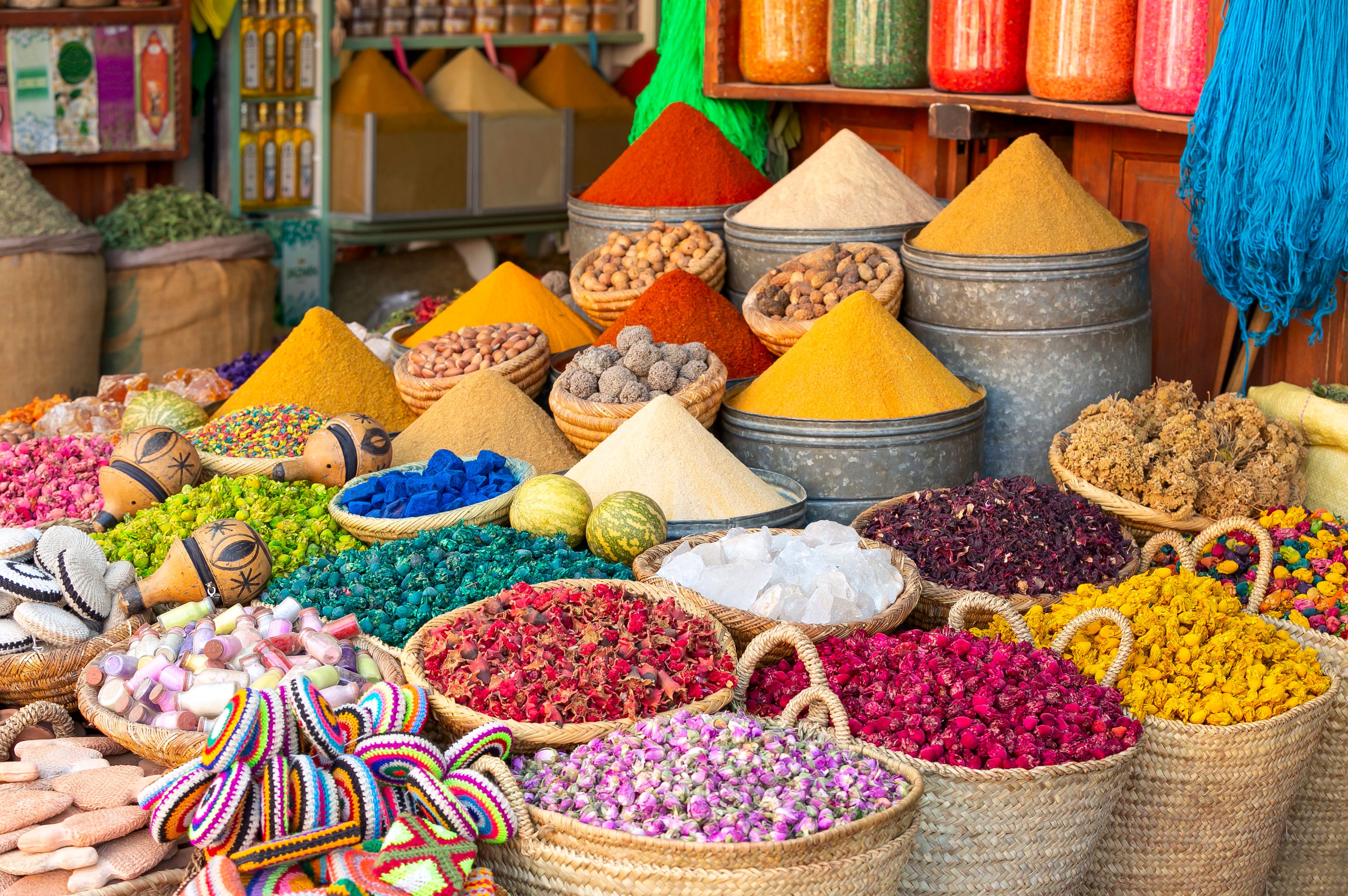
India, often referred to as the "Land of Spices," boasts a rich and diverse spice heritage that dates back thousands of years. From the aromatic allure of cardamom to the fiery heat of chilies, Indian spices are renowned for their ability to enhance flavor and add depth to any dish. Understanding these spices is key to mastering Indian cuisine and appreciating its complexity.
Exploring Mild Spices
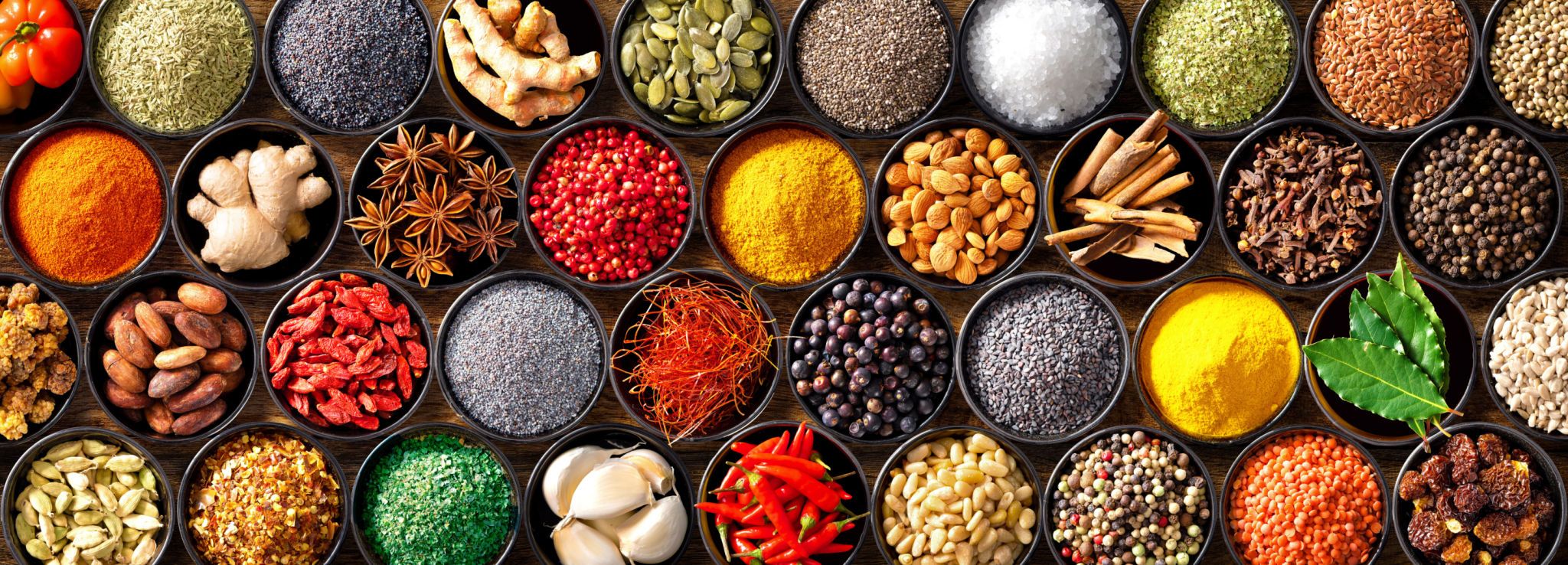
Not all Indian spices are synonymous with heat. Mild spices like coriander, cumin, and cardamom form the backbone of many dishes, providing subtle flavors that harmonize with other ingredients. Coriander, with its citrusy undertones, is often used in curries and chutneys. Cumin, on the other hand, adds a warm, earthy flavor to dishes like dal and biryani.
Cardamom, known as the "Queen of Spices," is cherished for its sweet, floral aroma. It is used in both sweet and savory dishes, ranging from spiced teas to rich desserts. These mild spices are essential in creating the base flavors that define much of Indian cuisine.
The Medium Heat of Indian Cuisine
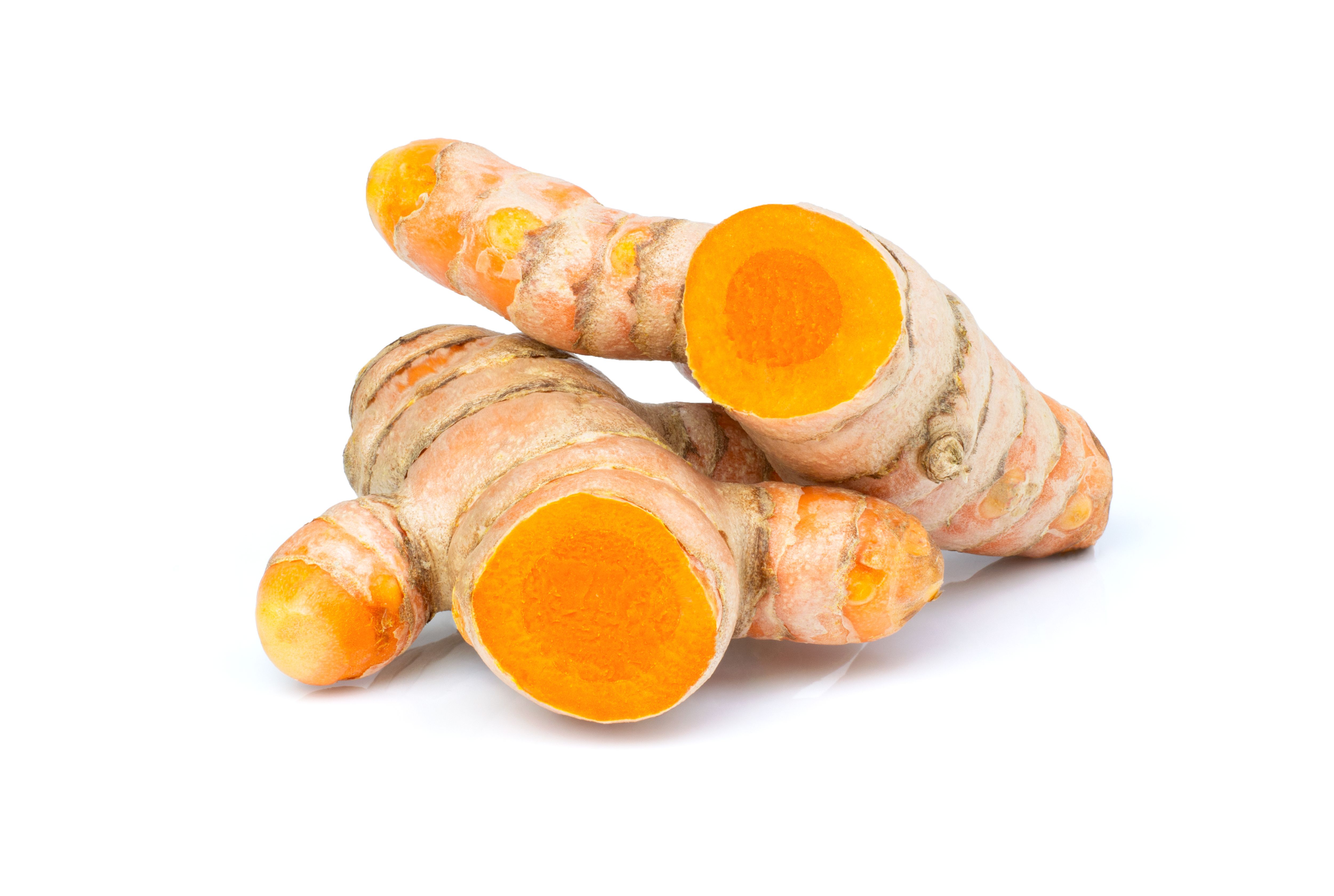
As we move up the heat scale, spices like turmeric, fenugreek, and mustard seeds become prominent. Turmeric is well-known for its vibrant yellow color and earthy bitterness. It is a staple in many Indian dishes, providing color and health benefits due to its anti-inflammatory properties.
Fenugreek, with its slightly bitter and nutty taste, is used both as a spice and a leafy vegetable. Mustard seeds, when tempered in hot oil, release a nutty, pungent flavor that is characteristic of many Indian pickles and curries. These spices provide a balance between mild and fiery, adding complexity to the cuisine.
The Fiery Side of Indian Spices
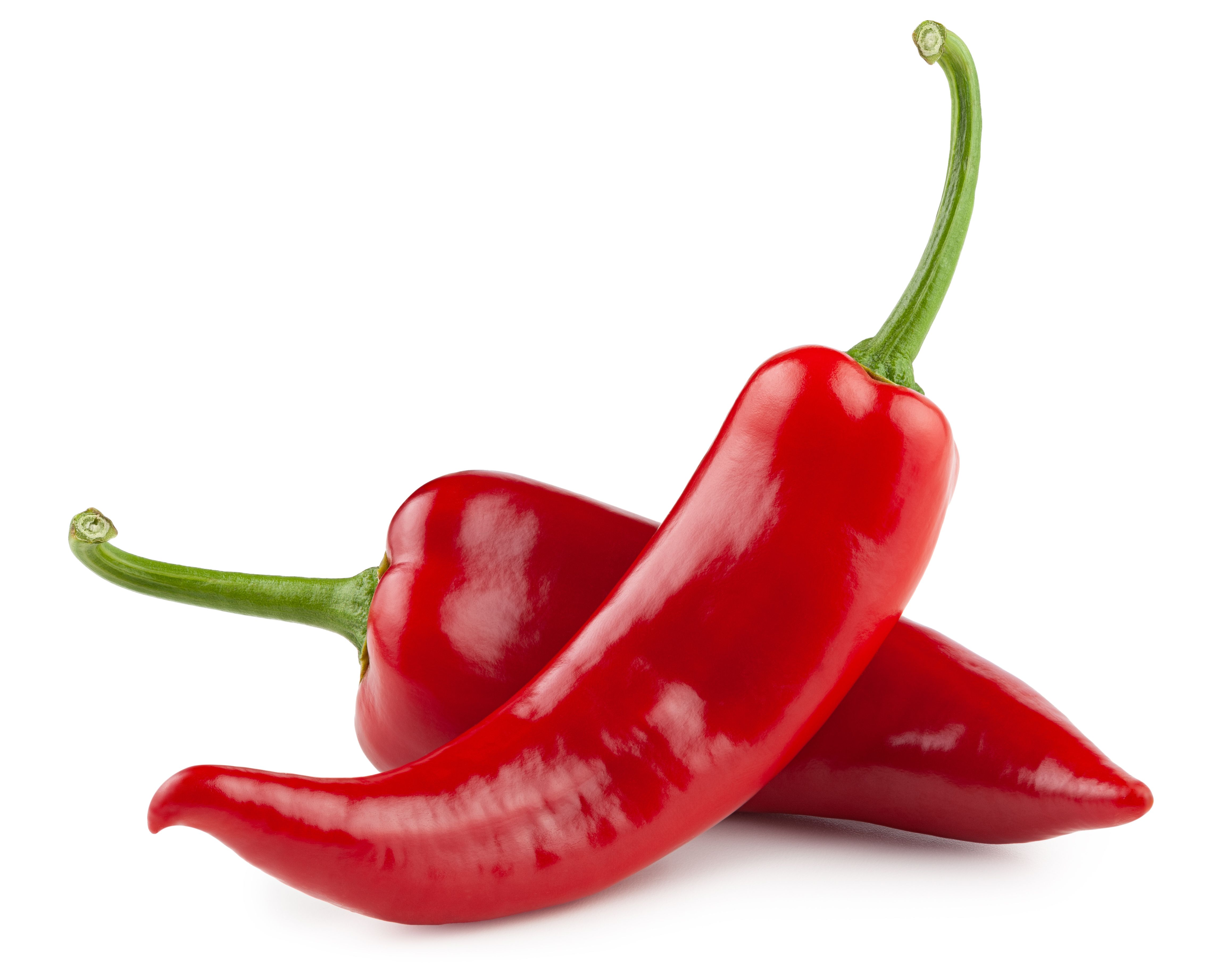
For those who enjoy a bit of heat, Indian cooking offers a range of fiery spices. Chilies, both fresh and dried, are central to adding heat. India is home to a variety of chilies, including the famous Bhut Jolokia, also known as the Ghost Pepper. These chilies are used to create intense heat and are often balanced with other spices to enhance flavor.
Other spices like black pepper and cloves also contribute to the fiery spectrum. Black pepper, once worth its weight in gold, is a versatile spice that adds a sharp, pungent heat. Cloves, with their warm and sweet intensity, are used sparingly to avoid overpowering other flavors.
Blending Spices for Perfect Harmony
One of the secrets to Indian cooking lies in the art of blending spices. The combination of spices, or masalas, varies from region to region, creating distinct flavors in different parts of India. Garam masala, a popular blend, typically includes cardamom, cumin, coriander, cloves, and cinnamon, providing a warming flavor to dishes.
Mastering the use of these spice blends allows cooks to create dishes with layers of flavor, each spice playing its role in the symphony of taste. Whether you're a novice or a seasoned cook, experimenting with different spice combinations can lead to delightful culinary discoveries.
Conclusion: Embarking on a Spicy Journey
Understanding Indian spices is a journey through a world of flavor, aroma, and history. From mild to fiery, each spice plays a crucial role in defining the essence of Indian cuisine. By exploring and experimenting with these spices, you can bring the vibrant and diverse flavors of India into your own kitchen.